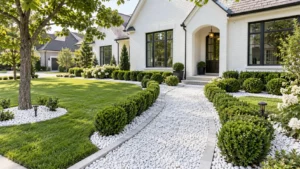
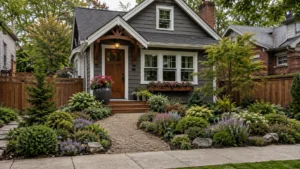
I got a call from my neighbor asking who redid my yard. My answer was that my front yard landscaping was working.
For many years, my yard was just grass, one sad shrub, and a cracked walkway.
I didn’t hire a designer. I didn’t blow a whole lot of money on it either. I worked through some minor fixes, a weekend at a time.
Some fixes worked very well. Some of them failed. I learned a lot along the way, and some of it was hard.
This post is about 15 changes about simple front yard landscaping that really had an impact on me.
I’ll tell you what I did, what I would avoid, and what you should be aware of before you get stuck in the dirt.
I did all of this without going to the bank for a large loan or hiring a large crew. It only took some patience and a few things to be redone.
Easy Plant Upgrades for Your Simple Front Yard Landscaping
The most bang for your buck, in terms of visual impact, were the plants. This is where it all began for me, and I encourage anyone else to do the same.
Not much fancy, just a combination of beds, borders and one good tree.
1. Layered Flower Beds Along the Walkway
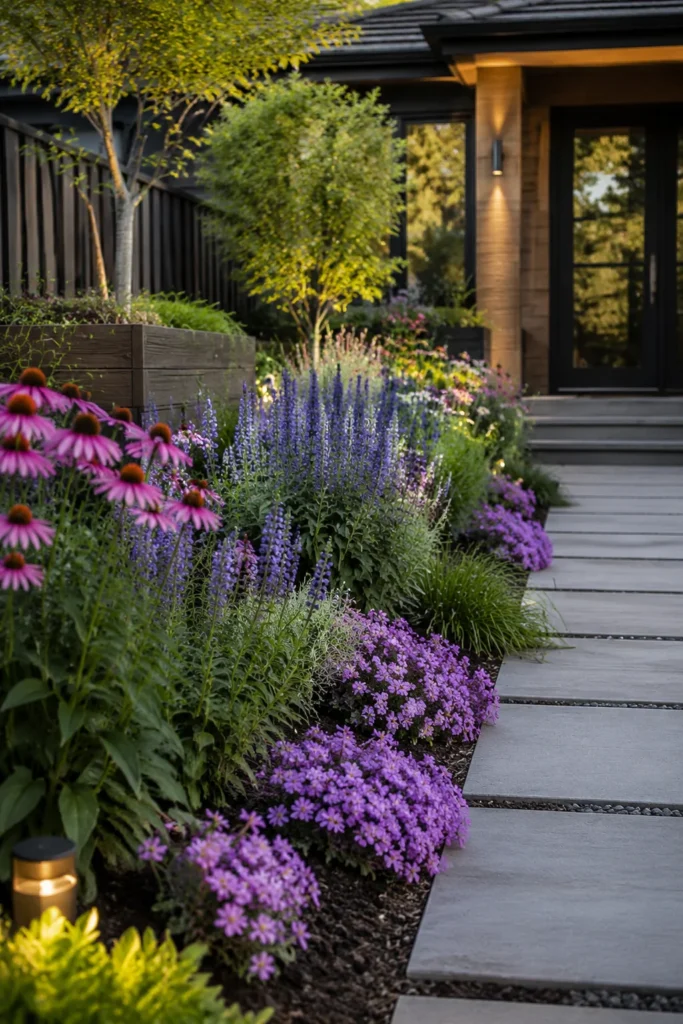
Layered beds instantly give a flat yard depth. Taller plants go in the back, medium in the middle, and low plants in the front.
A simple layering technique will help to fill in even a small bed.
Best plants: Coneflower, salvia, and creeping phlox complement one another well because they bloom at different times.
Ideal for: Homeowners who want color but don’t want to maintain it often.
My suggestion: I planted in odd groups (3 or 5) of each variety. Straight rows were not as natural as this.
2. Native Perennial Borders

Your native plants are familiar with your climate and know how to survive it.
Once established, they require less water, less fertilizer, and virtually no ‘babysitting ‘.
Best plants: Consult the list of native plants from your local native plant society. Sow mine’s recommended black-eyed Susan and little bluestem grass.
Ideal for: Those who don’t want to replace plants annually.
My recommendation: I combined natives with one or two non native favorites. It helped to tame the bed for my street.
3. Ornamental Grasses for Year Round Texture
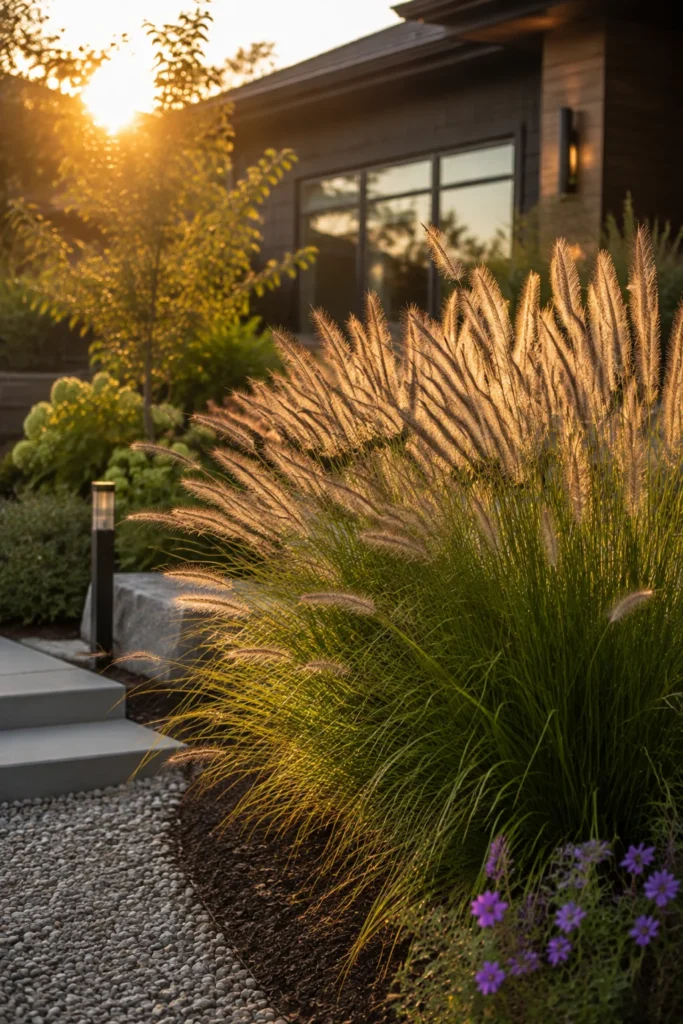
The grasses sway in the wind and provide texture that the flowers can’t offer. They are also interesting throughout the fall and winter, after their blooms have dropped.
Best plant : Fountain grass and little bluestem are good plants for retaining their form during the winter.
Ideal for: Wintertime flat or one-dimensional yards.
My suggestion: I leave the dry stalks of grass up until early spring. They are, in fact, used by birds for nesting materials.
4. A Small Flowering Tree as a Focal Point
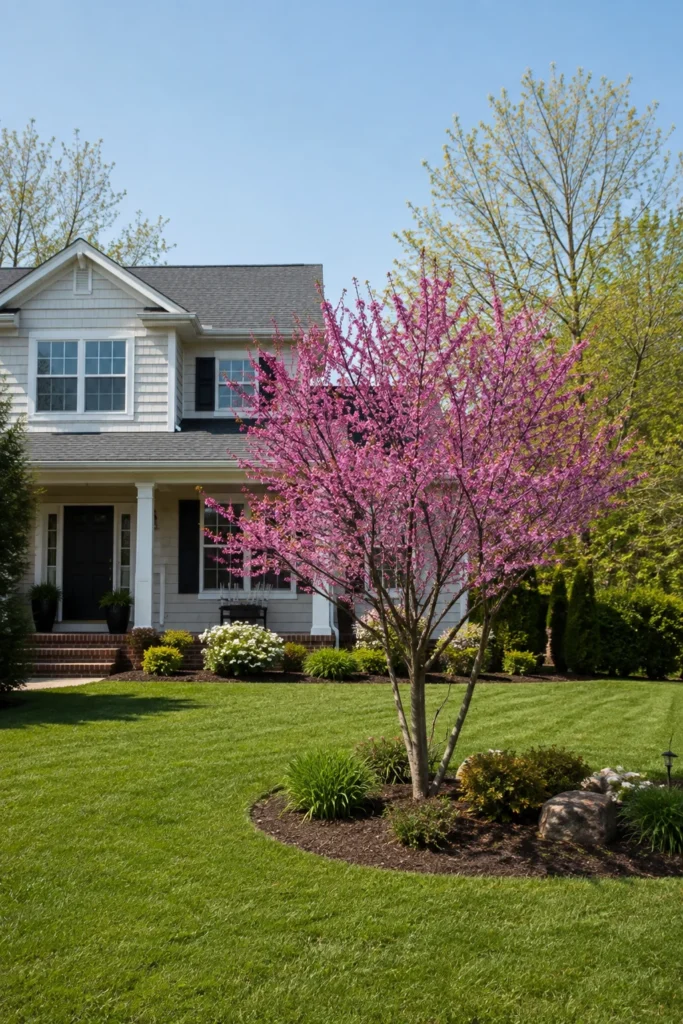
One tree that’s placed properly can add dimension to your entire yard. It pulls the viewer up and helps to complete the lot.
Best plant: Dogwood, redbud, and crepe myrtle trees are good choices for most front yards.
Ideal for: Flat or uninteresting yards on the street.
My suggestion: I planted mine not in the middle of the lawn. That’s much more natural-looking.
5. Mixed Evergreen Foundation Planting
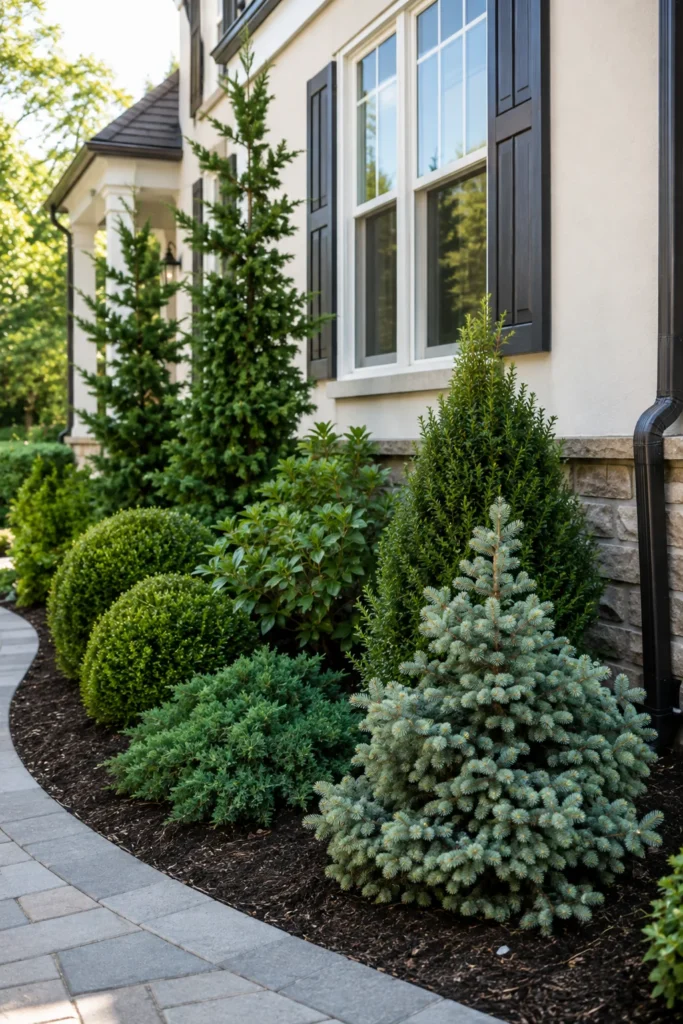
Evergreens help keep your home in focus even in the winter. Don’t use too wide varieties; otherwise the foundation bed will look like a green wall.
Best material: Plants that work best with them: boxwood, dwarf holly and dwarf spruce.
Ideal for: Houses with no foundation line or an old single hedge line.
My suggestion: I left the mulch away from the trunks. Mulch piled up against bark will allow rot and pests to enter.
Simple Hardscape Touches That Make a Difference
At first, hardscaping seemed daunting, but it was a huge success with a few small changes. I started with the lowest-priced options and didn’t do anything permanent.
I’m glad that I did because a few of these had to be tried a couple of times.
6. A Defined Paver Walkway

A clear path indicates to visitors where to walk. It also adds structure and definition to a flat lawn.
Best materials: Concrete pavers or natural flagstone will work in most climates.
Ideal for: Yards that have existing footpaths to the door.
My suggestion: I bent mine a little rather than keeping it straight. It added to the size of the yard.
7. Low Stone Edging Along Garden Beds

Edging helps to retain mulch and soil from running over into the lawn. It also provides a crisp, finished outline to beds, which appear deliberate.
Best materials: Stacked fieldstone or precast concrete edging; both are inexpensive options.
Ideal for: Those who have beds that are currently a jumbled mix of grass and beds.
My suggestion: I have my edging just below the height of the mower. I no longer trim by hand; I mow over it.
8. A Small Gravel Seating Nook
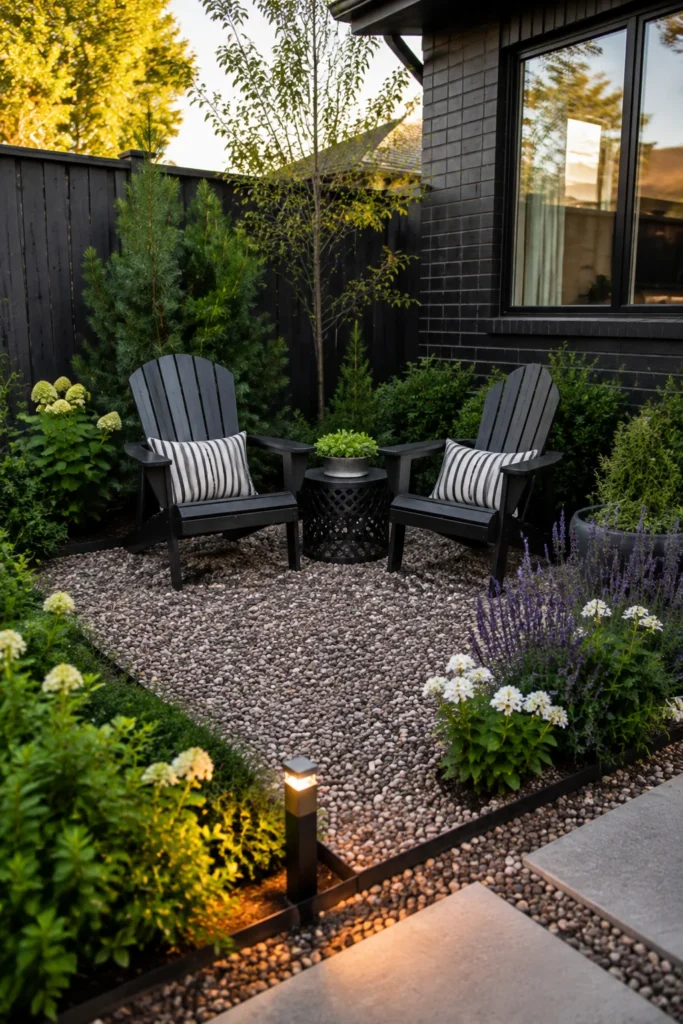
A small gravel area to the side provides an area for sitting outside—one of the easiest hardscape projects you can do over the course of a weekend.
Best materials: Pea gravel over a compacted base, which drains well and will not move.
Ideal for: Limited-space yards that do not have enough space for a full patio.
My suggestion: I put a basic steel edging ring to prevent the gravel from moving into the lawn.
9. Raised Planter Boxes Near the Porch
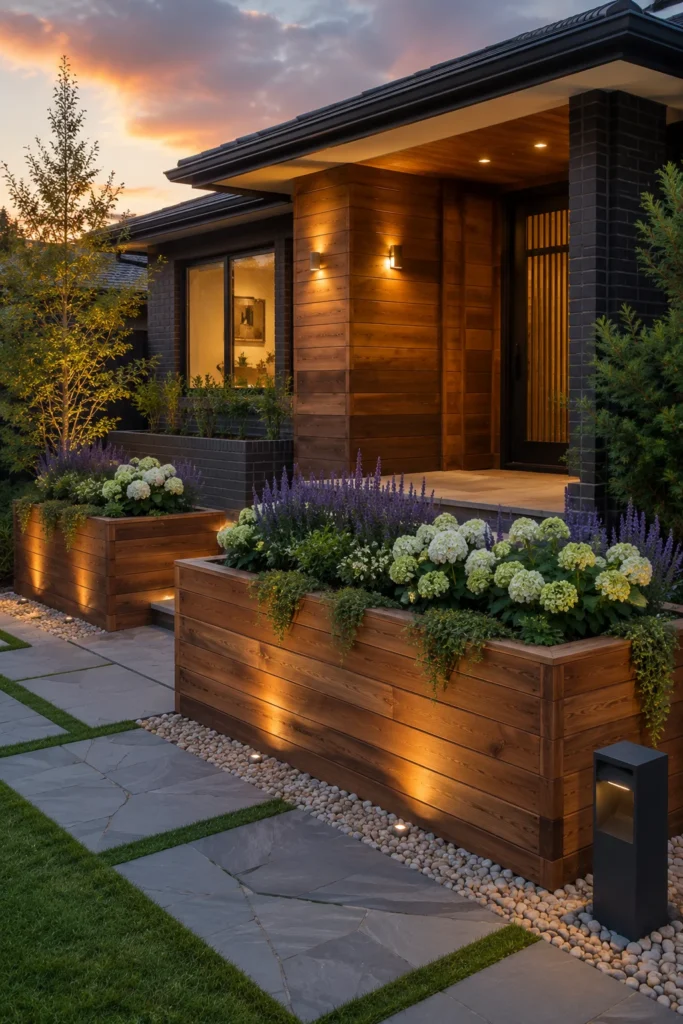
Your entryway is framed by raised boxes which don’t require permanent building. They also drain better than ground beds and are useful in heavy clay soil.
Best materials: Cedar or composite boxes will not rot like untreated pine.
Ideal for: Porches where you feel disconnected from the yard.
My advice: I used a combination of potting soil and compost, not straight garden soil. Drainage improved immediately.
10. A Clean Mulched Tree Ring

An organized mulch ring around an established tree is a definite improvement over a bare ground ring around the tree.
It also helps prevent damage to tree roots from mowers and trimmers.
Best materials: Shredded hardwood mulch will not decompose as quickly as dyed wood chips.
Ideal for: Established yards with existing trees that are simply standing in a grassy yard.
My suggestion: Is to keep the ring flat, like a donut, and not stacked up against the trunk in a volcano formation.
Finishing Touches for Curb Appeal
These are the final few changes visitors will notice first, and they’re small. They don’t take a whole weekend, and most cost less than a dinner out.
11. Solar Path Lighting
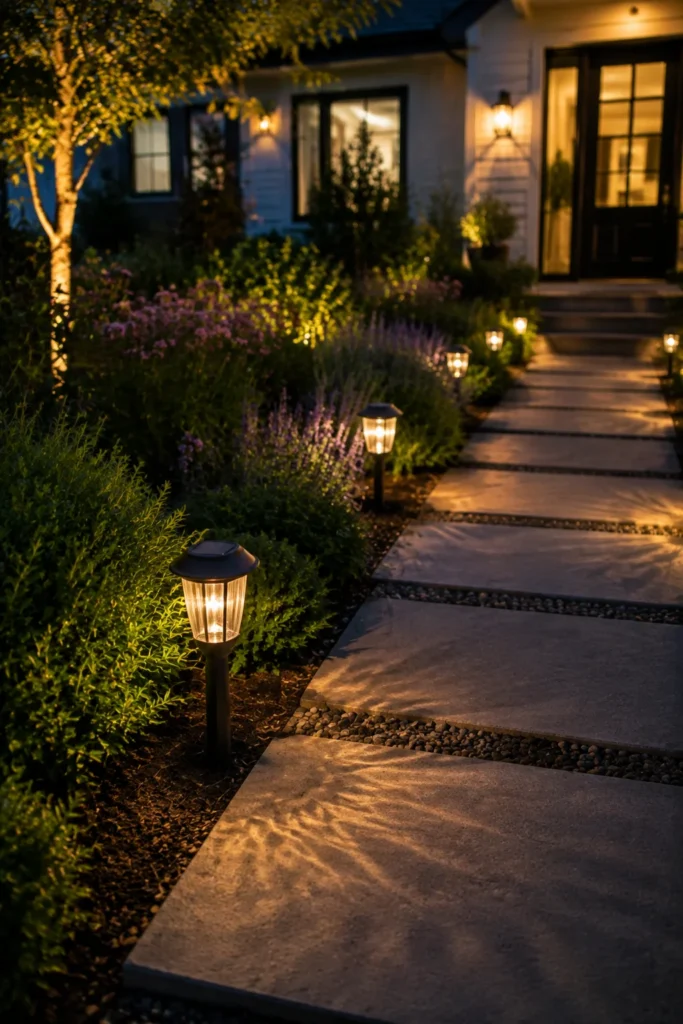
Path lights add to the beauty of your yard at night. They also help to make your walkway safer at night.
Best products: Solar stake lights made from stainless steel last longer than plastic stake lights.
Ideal for: Homes that are visited after dark or for those who are looking for curb appeal at night.
My suggestion: I made my box wider than recommended. A closer look at the lights revealed that fewer of them looked as clean as a packed row.
12. Fresh Paint on the Mailbox and Trim
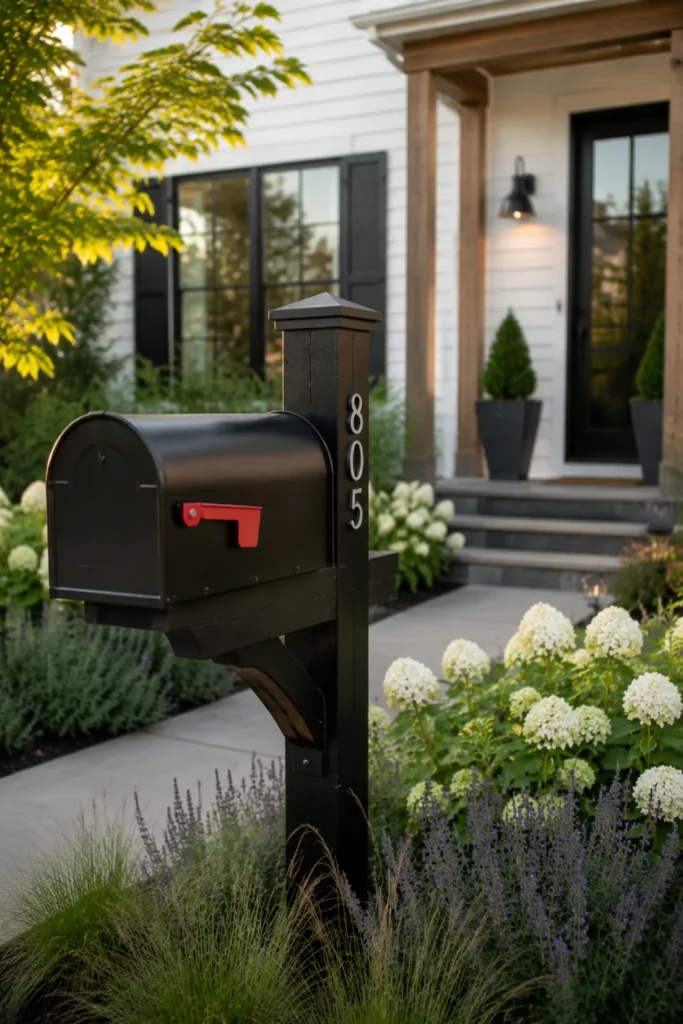
An old, tired mailbox or peeling trim detracts from a good yard. One of the easiest things to do on this list is to paint the interior.
Best materials: Exterior-grade paint in a color that ties in with your front door.
Ideal for: People with a tight budget who want a quick, noticeable change.
My suggestion: I repainted my mailbox post the same weekend that I planted new beds. Both looked brand new when compared to the other.
13. A Small Front Yard Water Feature

Plants can’t provide sound or movement, but a small fountain can. It becomes a focal point without taking up much space.
Best products: A simple, self-contained basin fountain requires no plumbing and little maintenance.
Ideal for: Low-traffic areas, such as a porch or entry.
My suggestion: I put mine in a spot that I could hear it from my front door. That little extra added to the price made it worth it.
14. Window Box Planters
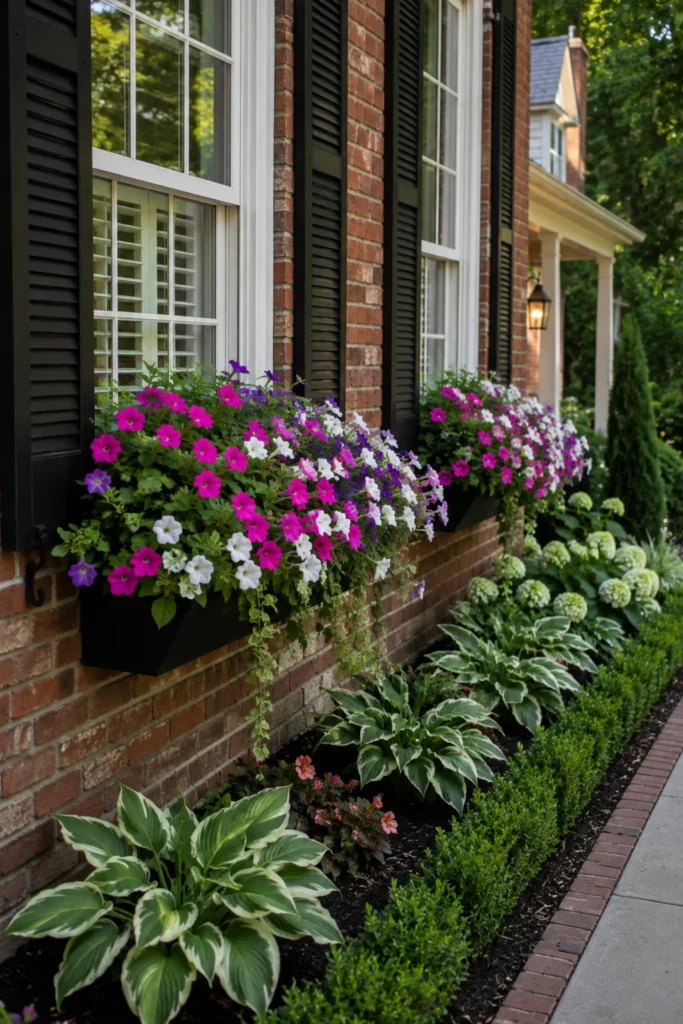
Window boxes aren’t just for the yard; they’re for the house, too. They can frame your windows and give the whole facade a finished look.
Best plant : Trailing petunias, sweet potato vine, and dwarfs are good choices to spill over the edges.
Ideal for: Simple window moldings or flat-sided houses.
My suggestion: I water mine every other day during the summer. Ground beds dry out more slowly than boxes.
15. One Cohesive Color Palette
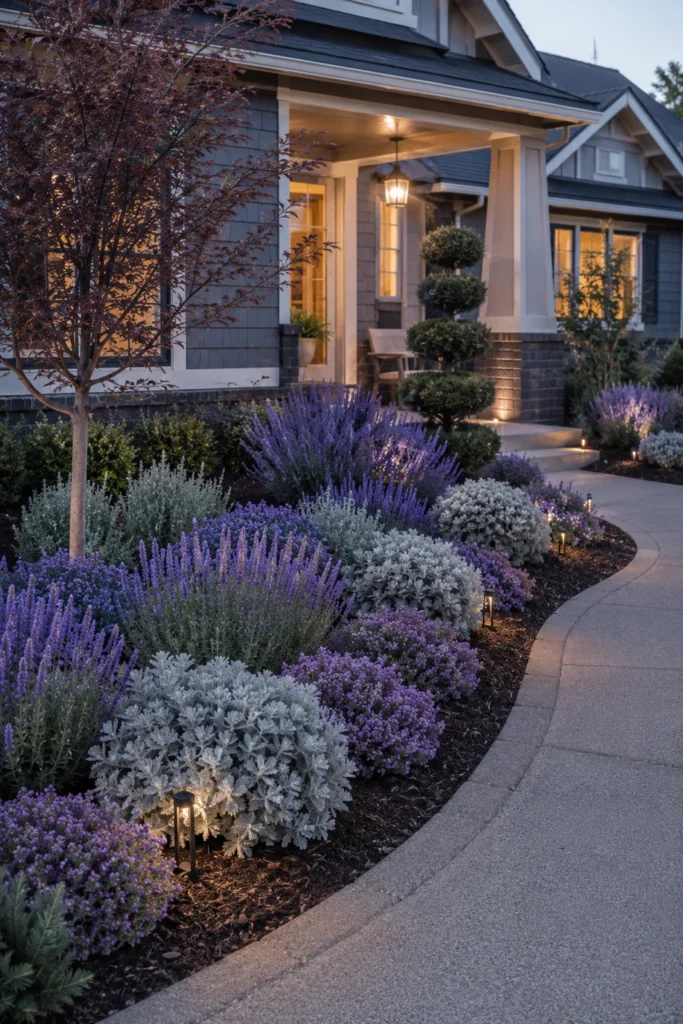
Random plants and features may appear disjointed without a color thread. When you choose two or three repeating colors, they tie into the rest of the yard.
Best solution: Select one color for the flowers, one tone for the leaves, and one accent color, and use them throughout all the beds.
Ideal for: Existing yards with plants that still have a scattered appearance.
My suggestion: I chose purple and silver to be my repeating colors. All new plants added have to play into that palette first.
Front Yard Hardscape Options at a Glance
| Material | Best for | Maintenance | Approx. Cost per Sq Ft |
| Concrete pavers | Walkways and patios | Low | 10$ to 17$ |
| Pea gravel | Casual seating nooks | Medium | $3 to 6$ |
| Natural flagstone | High end walkway look | Low | $15 to $30 |
| Precast edging | Bed borders | Very low | 2$ to 10$ |
FAQ
What is the cheapest way to improve a front yard?
Mulch, clean edging, and a few perennials cost very little and make a noticeable difference. Skip hardscaping until you’ve maxed out plants and general cleanup first.
How do I landscape on a tight budget?
Start with cleanup and mulch, then add plants in phases over a season or two. Small perennials fill in fast and cost far less than mature plants.
What plants work best for small yards?
Compact perennials like salvia, coneflower, and dwarf ornamental grasses stay tidy without crowding a small bed. Avoid fast spreading groundcovers that need constant trimming.
How often should I update my landscaping?
Most yards benefit from a light refresh every two to three years. Bigger hardscape changes can last a decade or more with basic care.
Does better landscaping actually increase home value?
Yes, well kept yards consistently boost curb appeal and resale value in real estate studies. Even small updates like mulch and edging tend to pay for themselves.
How long does a front yard makeover usually take?
A full 15 item refresh can take a few weekends spread over a month or two. I tackled mine in phases over one spring and summer, resting between projects.
Final Thoughts
I didn’t fix my whole yard in one weekend, and you don’t need to either. I worked through this list slowly, one small project at a time.
Some fixes cost almost nothing. Others took real planning and a bit of patience. Either way, every single change made the yard feel more like mine.
I still add something small every season, a new bulb here, a new stone there. The yard keeps evolving, and honestly, that’s half the fun of it.
Pick one item from this list and start there this weekend.